Dental Care

Dental Treatments
ClearCorrect Transparent Aligners
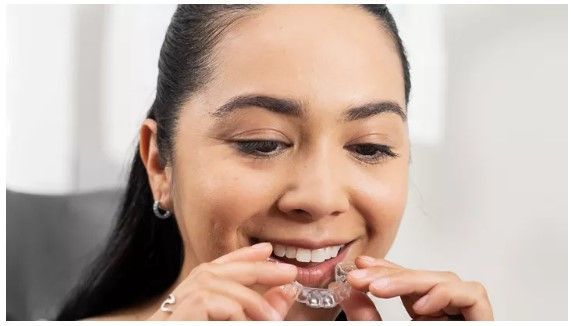
Straighten your smile with discretion, comfort, and confidence.
ClearCorrect is a transparent aligner system designed to straighten teeth discreetly, comfortably, and effectively.
Each treatment is fully customised and carefully planned using digital technology, allowing for gradual and precise tooth movement throughout every stage of the treatment.
The aligners should be worn for 20 to 22 hours per day and can be removed during meals and for oral hygiene, providing greater comfort in everyday life while making brushing and flossing easier.
The duration of treatment varies according to each patient's individual needs and will be determined following a personalised clinical assessment.
Benefits of ClearCorrect
- Transparent, virtually invisible aligners
- Greater comfort throughout treatment
- Removable for eating and oral hygiene
- Personalised digital treatment planning
- Treatment tailored to each patient's needs
Needle-free anesthesia
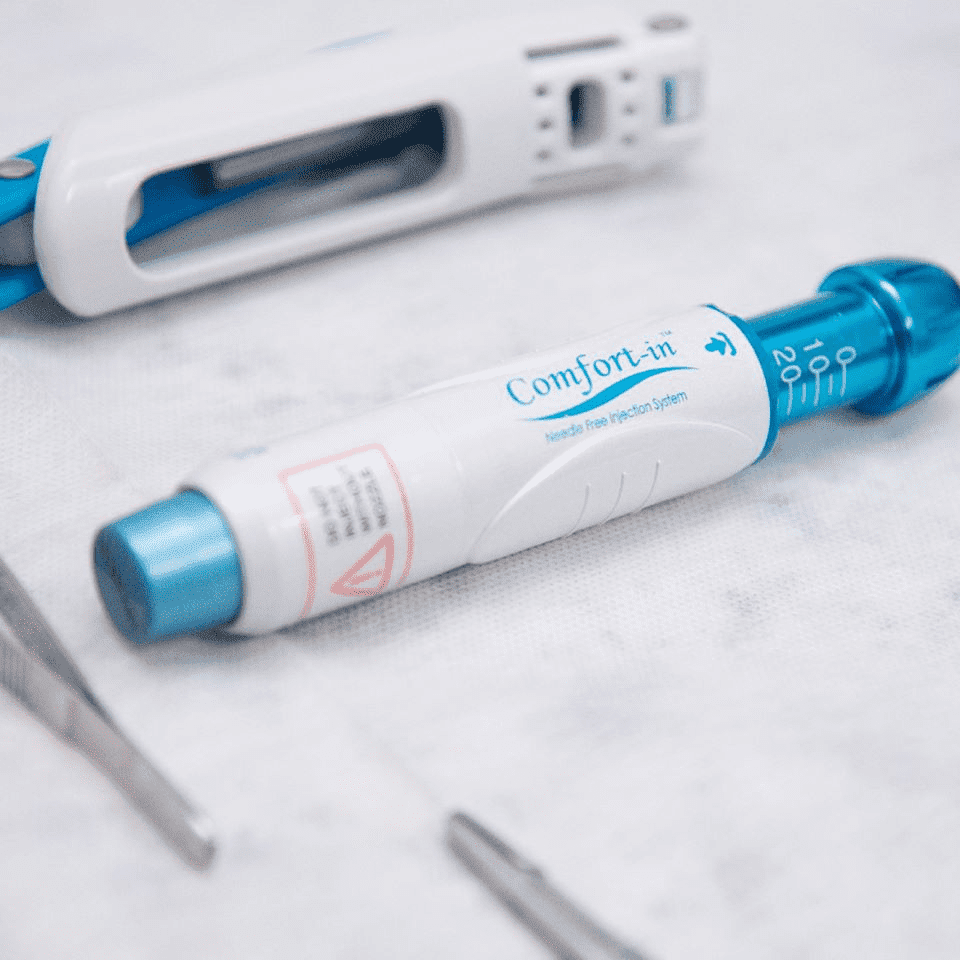
We have in our clinic and at the disposal of our clients, anesthesia without the use of needles, this technique is based on the introduction of the anesthetic by means of pressure, without using a syringe with a needle, this way the anesthetic jet is sprayed, distributing the substance evenly in the region, avoiding damage to tissues, blood vessels and nerves. The main advantages are its easy application, low incidence of side effects, faster absorption and distribution of the anesthetic, and the one that will be the most appealing to the patient, the simple fact that no needle is used.
Panoramic Radiography
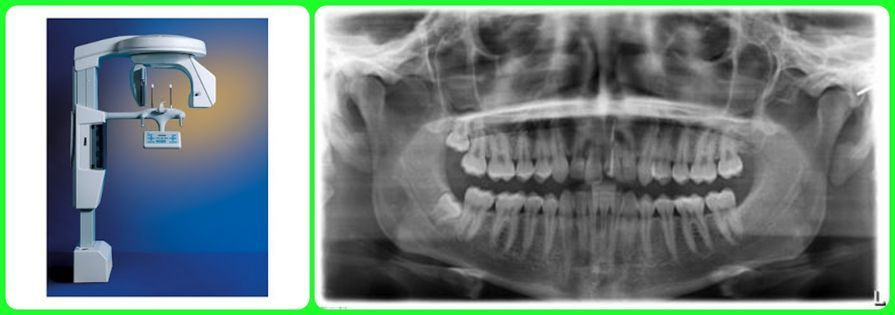
The panoramic radiography allows the observation of almost the entire mouth it is a very simple technique that through a single radiographic view allows to capture a large anatomical area. This examination can be useful, for example, to study the relationship between primary teeth (milk) and permanent teeth, whether the patient has wisdom teeth included or to serve as a guide in the placement of implants. The pictures above show the device of panoramic radiography (left) and an example of a panoramic RX (right).
Teeth Whitening
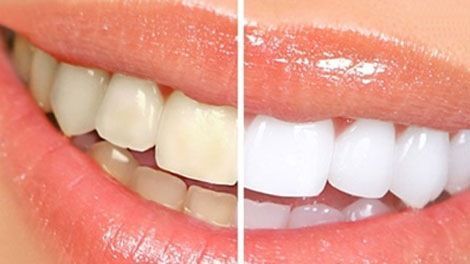
Teeth Whitening as the name suggests aims to make teeth whiter, so this may recorer to various techniques. These procedures can be done in vital and non vital teeth (devitalized). The non-vital teeth bleaching is an individual tooth whitening and is held inside of the tooth, so it is called internal bleaching. As to vital teeth these can be bleached by ambulatory bleaching, performed at home by the patient, using a silicone mold and whitening product or in the office via a specific light (LED or laser).
Implantology

Implantology seeks to restore esthetics and function in cases of missing teeth using titanium structures that replace the tooth root, these structures attach to bone, bone growing around the same (bone integration) allowing to withstand the masticatory forces. The implants are of various types and allow to replace one or more teeth. The placement of implant is performed in a small surgery, the unit or multiple units of prosthetic structure is placed afterwards (after 2-6 months).
The statistics indicate a success rate of 95% after 20 years, that rate drops to 80% in smoking patients. The picture above illustrates the sequence of procedures for placing an implant.
Fixed Prosthodontics
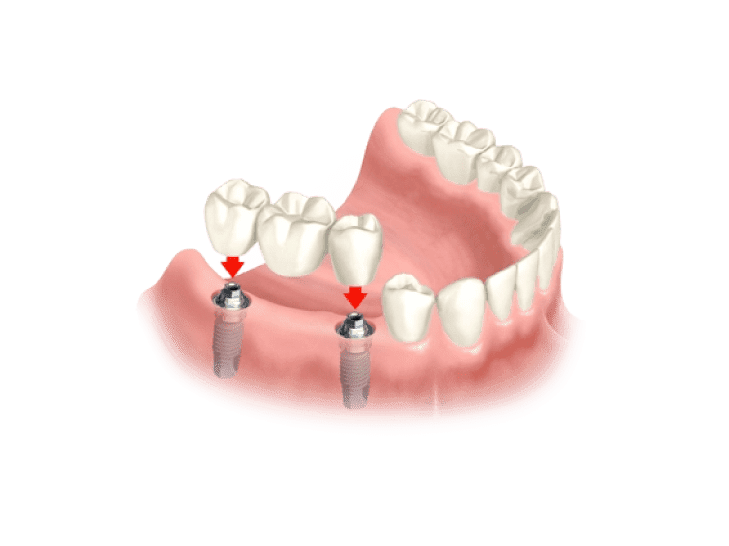
Fixed prosthesis restore the appearance and function, in case of the absence of tooth or destruction of crowns,the fixed frame can not be removed by the patient just by the dentist. In fixed prosthodontics we have various kinds of services such as crowns which are cemented restorations that cover the entire outer surface or the fixed bridges, in these cases the wear of adjacent teeth is necessary and sometimes their endodontic treatment, the teeth serving as support to the structure are called pillars while the teeth that replace missing teeth and are suspended are called pontics; there is still a possibility of fixed structures being supported by implants, as shown in the image that lies above this paragraph. As to the material they are made, these structures may be metallic, metal-ceramic, ceramic, acrylic, zirconium, among others.
Removable Prosthodontics
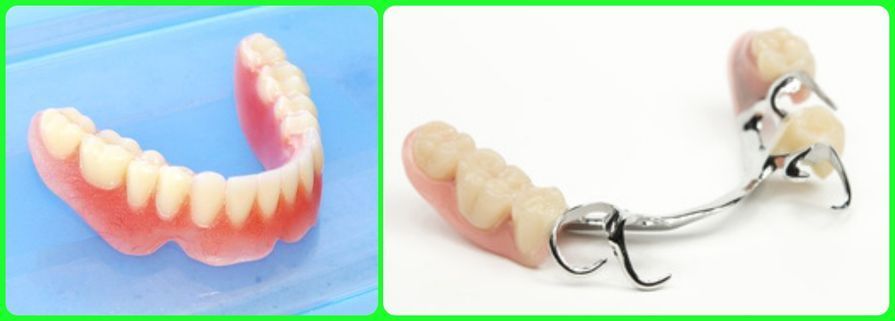
The removable prosthesis can be used in cases where the patient has a lack of one, several or all teeth, it can be removed by the patient for cleaning and to sleep . There are two groups in this field taking into account the material used, acrylic prosthesis and skeletal prostheses, acrylic are completely made of acrylic material that is a "Plastic" while the skeletal have a metal skeleton structure based on the gum and holds in natural teeth. Acrylic dentures are more economic and aesthetic when they do not have metallic hooks, however they are thicker and difficult to adapt to the mouth, while the skeletal prostheses are more expensive and less aesthetic when the metal hooks are visible, however are easier to withstand and adapt. The images above show a full acrylic prosthesis (left) and a partial skeletal denture (right).
Orthodontics
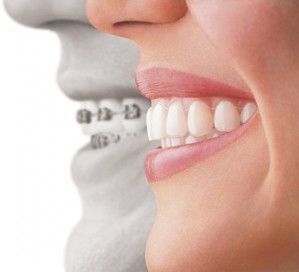
Orthodontics has the objective to straighten the tooth position, for aesthetic and functional issues with this goal several types of apparatus are used, adapted to each case. Orthodontics can be applied at all ages, being an intersection treatment performed in mixed dentition (deciduous or milk teeth and permanent teeth) and in the phase of increased growth of the child, while the final is held in the permanent dentition.
This is an area in which treatments are more time consuming (several months), including different phases, then we have the diagnostic consultation, where x-rays are taken and made impressions in order to choose the best treatment option; consultation for placing the apparatus; maintenance consultations and finally removal of the apparatus, in this last one it is often applied a containment apparatus that prevents the teeth from moving from the position achieved by treatment.
The amounts charged vary, because each case is different, if you want more information make an appointment.
Periodontology

Periodontal or periodontology is the area of dentistry that studies and treats diseases of tissues that surround and support teeth, which is called periodontium. The periodontium consists of the gingiva, alveolar bone, cementum and periodontal ligament and its function is the insertion of the tooth in the jaw bone tissue and maintain the masticatory surface of the mucosa of the oral cavity. The main periodontal diseases are gingivitis (only affects the gums) and periodontitis (affects gums the bone and periodontal ligament), the first step in the treatment is education for a good control of dental plaque because the accumulation of it constitutes one of the main risk factors in the development of these diseases. The treatment may go through scaling, root planing or surgery. The image shows teeth / infected gums and healthy teeth / gums.
Dentistry
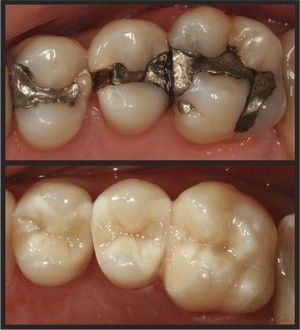
The dentistry is the area of Dental Medicine that "restores teeth" in situations where the tooth is affected by decay, fracture, when you want a change for aesthetic reasons or when you want to replace an existing restoration. When the cavity affects the enamel and / or dentin, the tooth is treated by removing the affected tooth structure and reconstructing it when the dental pulp is affected it is necessary to carry out a endodontics and only after this treatment, the tooth is restored. There are two large groups of restorations, indirect performed in the laboratory and direct performed in the office. As the definitive material used, the most common is composite, but we can also use amalgam. Above there is an image showing the aesthetic differences between amalgam (top) and composite (bottom).
Endodontics or Devitalization
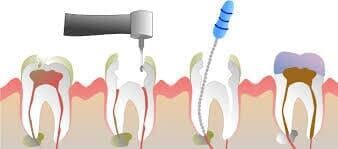
The endodontics is the specialty of Dental Medicine that studies the dental pulp, and all root canals and periapical tissue and the pathologies that affect them. The endodontics gives a "life over" the teeth that would otherwise be destined for extraction. The pathology of the dental pulp may be caused by extensive caries, deep restorations, or trauma (e.g. collision). The thermal testing, radiography or percussion are some of the diagnostic tests to adopt the right treatment. This treatment is normally done in three phases (consultations) being the 1st one the opening of the chamber where after opening and cleaning the channels and the cavity, a drug substance is placed in the channels and the tooth is sealed with temporary material; the 2nd corresponds to the instrumentation consultation where eith files is made the cleaning and remodeling of the channels, in this consultation the tooth also stays with drugs and closed with temporary material; the 3rd consultation corresponds to the filling or closing of channels, in the end the tooth is reconstructed with composite or amalgam. Next we have a scheme
Oral Surgery
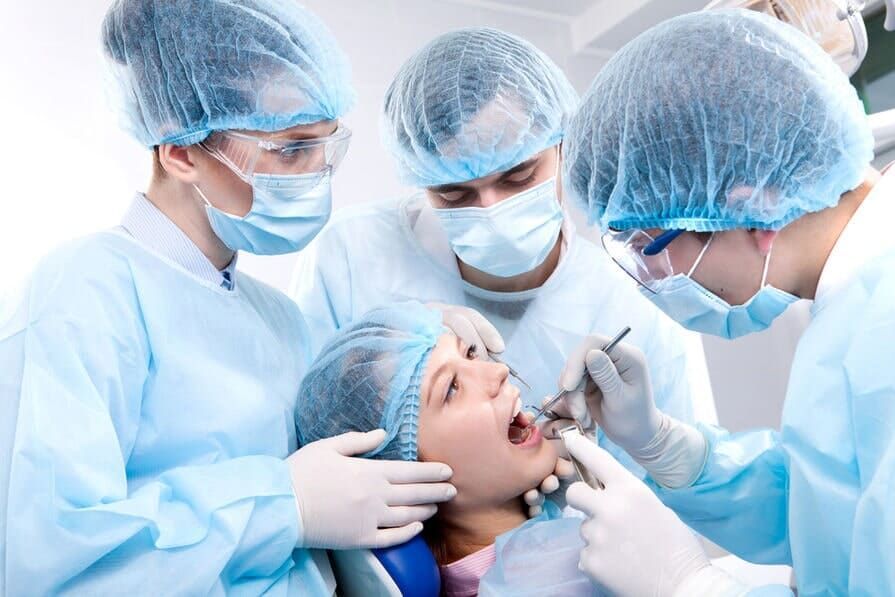
Oral surgery is the area responsible for the broad range of invasive clinical protocols, of these are part, for example, the simple teeth extractions, extraction of impacted teeth, removal of small lesions frenectomies, biopsies, bone grafts, etc.
Next is a list of the main precautions to take after surgery:
During the first 24 hours you should eat soft and cold food;
Don't smoke for 24 hours;
You should avoid lowering your head while sleeping using a pillow that allows you to keep the head higher;
Avoid making physical efforts.
Technology at the Service of Your Treatment
We use digital technologies that help us carry out more detailed assessments, plan treatments with greater precision, and monitor their progress.
These resources complement the experience of our professionals and contribute to a more personalised approach, clearer communication, and greater comfort during treatment.
Carestream CBCT — Three-Dimensional Imaging
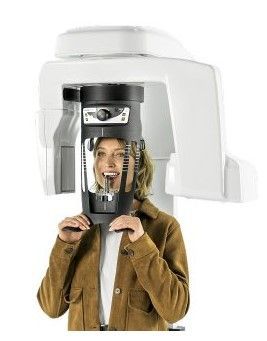
The Carestream CBCT, or cone beam computed tomography, makes it possible to obtain detailed three-dimensional images of the dental, bone, and anatomical structures of the oral and maxillofacial region.
It is an important tool for the diagnosis and planning of different treatments, namely implantology, oral surgery, endodontics, and other situations that require a more comprehensive assessment.
This examination is always carried out according to the clinical assessment and indication for each case.
3Shape Intraoral Scanner
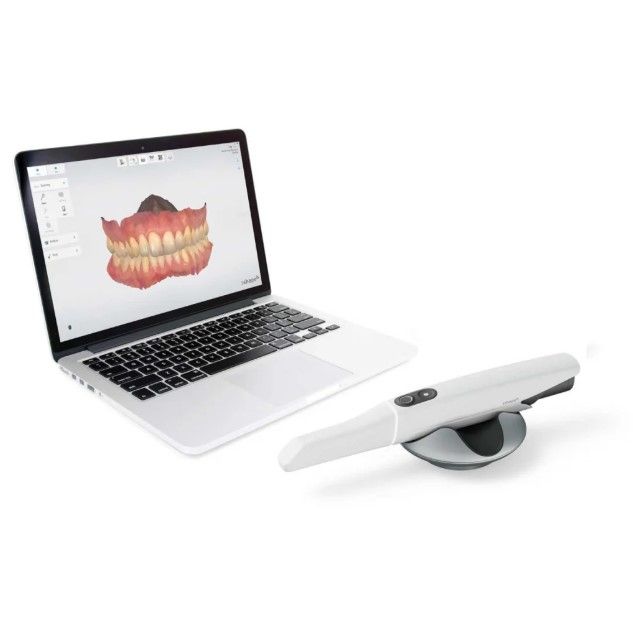
The 3Shape intraoral scanner makes it possible to create a detailed digital record of the mouth and teeth. In many cases, this technology reduces the need for traditional impressions made with moulding material, providing a more comfortable experience for the patient.
The digital images make it possible to plan treatments such as dental prostheses, crowns, implants, orthodontics, and cosmetic dentistry with greater precision.
The scanner also facilitates communication with the patient and the laboratory, allowing for a more digital, efficient, and precise workflow.
More Precise and Personalised Planning
Technology is an important ally in clinical assessment. The combination of digital equipment and professional experience makes it possible to gather detailed information and develop treatment plans adapted to the needs of each patient.
Technology complements clinical experience, allowing for more accurate diagnoses, more rigorous planning, and personalised monitoring at every stage of treatment.
EMS Airflow
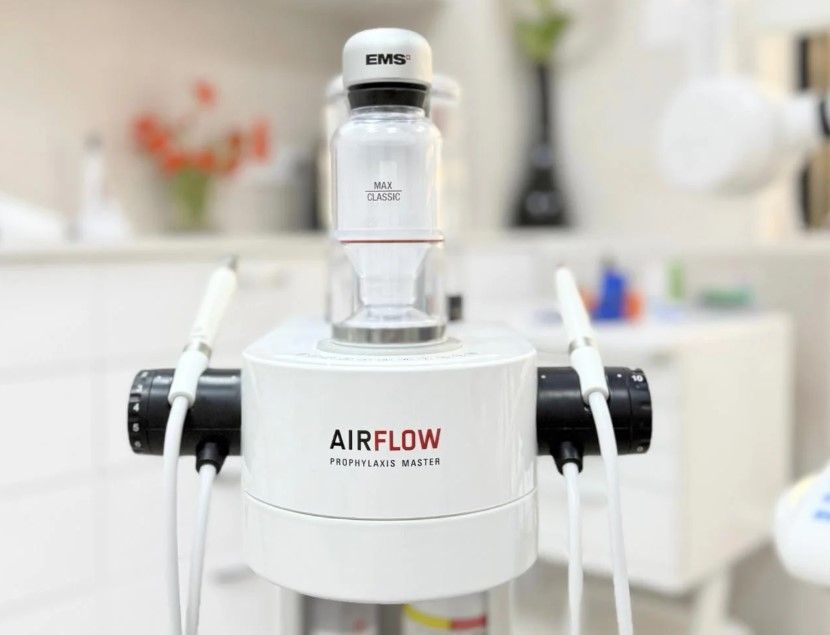
Taking care of your oral health has never been so comfortable.
EMS Airflow® uses advanced technology to gently remove biofilm and surface stains, providing effective, comfortable, and minimally invasive oral hygiene.
Benefits
Comfortable and effective cleaning
Removes biofilm and surface stains
Safe for teeth, implants, and restorations
Helps prevent oral diseases
Orofacial Harmonisation
Enhance your natural beauty.
We offer orofacial harmonisation treatments designed to improve skin quality, soften the signs of ageing, and enhance facial contours.
Every treatment begins with an individual assessment, during which each patient's facial characteristics, needs, and goals are carefully evaluated. Based on this assessment, a personalised treatment plan is created, always aiming for natural, balanced results that complement each individual's features.
Most Common Indications
- Facial skin laxity
- Wrinkles and expression lines
- Loss of collagen
- Loss of facial volume
- Changes in facial contours
- Lack of jawline definition
- Changes in skin texture and quality
- Signs of ageing
- Natural facial rejuvenation
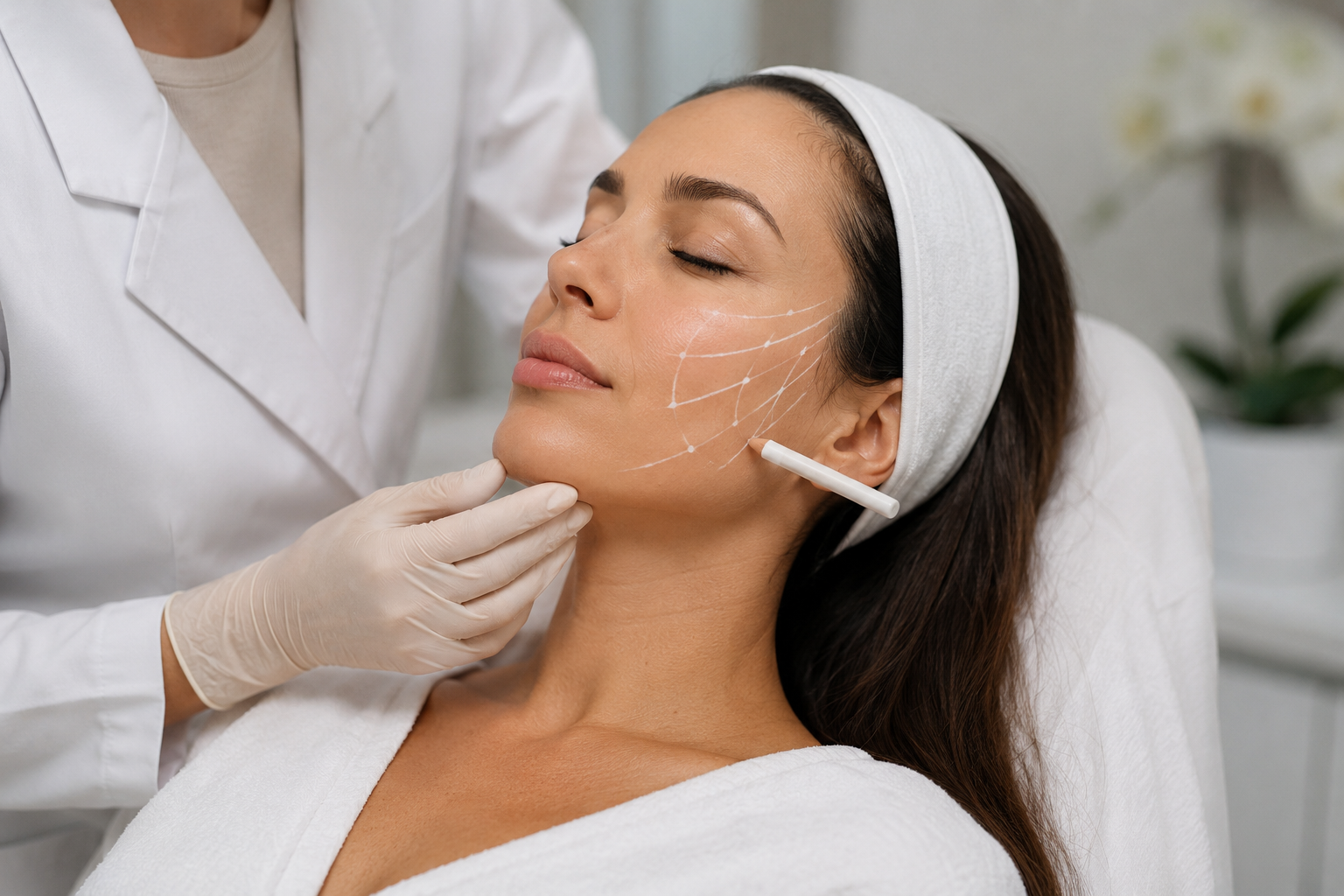
Available Treatments
HIFU — High-Intensity Focused Ultrasound
A non-surgical treatment that uses focused ultrasound to stimulate collagen production in the deeper layers of the skin. It can help improve firmness, reduce skin laxity, and define facial contours.
Botulinum Toxin
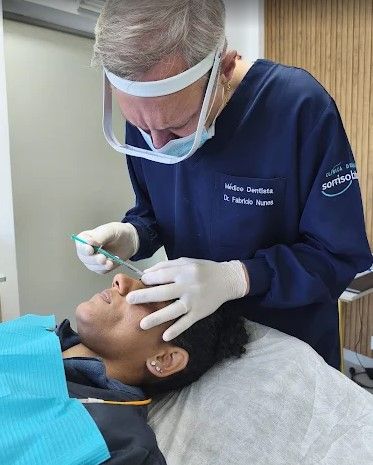
Helps soften expression lines caused by the contraction of facial muscles, such as forehead lines, lines between the eyebrows, and lines around the eyes.
The aim is to provide a lighter and more rested appearance while preserving the natural look of facial expressions.
Hyaluronic Acid
It can be used to restore volume, improve hydration, and harmonise specific areas of the face. Depending on each patient’s needs, it can help define the lips, chin, cheekbones, and jawline, as well as soften certain facial folds.
PRF — Platelet-Rich Fibrin
PRF is obtained from a small sample of the patient’s own blood. It is used to stimulate natural regeneration processes, improve skin quality, and promote a more revitalised appearance.
Thread Lift
Threads are used to improve firmness and promote the repositioning of tissues. They can also stimulate collagen production, contributing to a gradual improvement in skin quality.
Collagen Biostimulators
They work by stimulating the natural production of collagen. They are indicated to gradually improve firmness, elasticity, and skin quality while respecting the natural characteristics of the face.
Technology
We use digital technologies that help us carry out more detailed assessments, plan treatments with greater precision, and monitor their progress.
These resources complement the experience of our professionals and contribute to a more personalised approach, clearer communication, and greater comfort during treatment.
VECTRA — Photographic Records for Aesthetic Treatments
We use VECTRA, licensed software used for the photographic documentation of aesthetic appointments.
The images make it possible to document the patient’s facial characteristics and objectively monitor the progress of the treatment over time.
The software does not allow the patient’s image to be altered or manipulated. The photographs remain faithful to the original record and are used exclusively for clinical assessment, planning, and monitoring purposes, while respecting the privacy and confidentiality of each patient.
Personalised Assessment
The suitability of each treatment depends on an individual clinical assessment. During the consultation, the patient’s needs are analysed, the available options are presented, and a personalised treatment plan is defined.
Results, the number of sessions, and the duration of the effects may vary from person to person.
Book Your Assessment
Discover which treatments are most suitable for you.
Contact our aesthetics team and book your orofacial harmonisation assessment.
Aesthetics Phone/WhatsApp: 924 684 575